Sign inGet started
How it works

Three ways to use a tailgate.

Pick the one that sounds like you. Each takes a couple of minutes to start.
Advertiser sign on a pickup seen from behind in traffic
For businesses

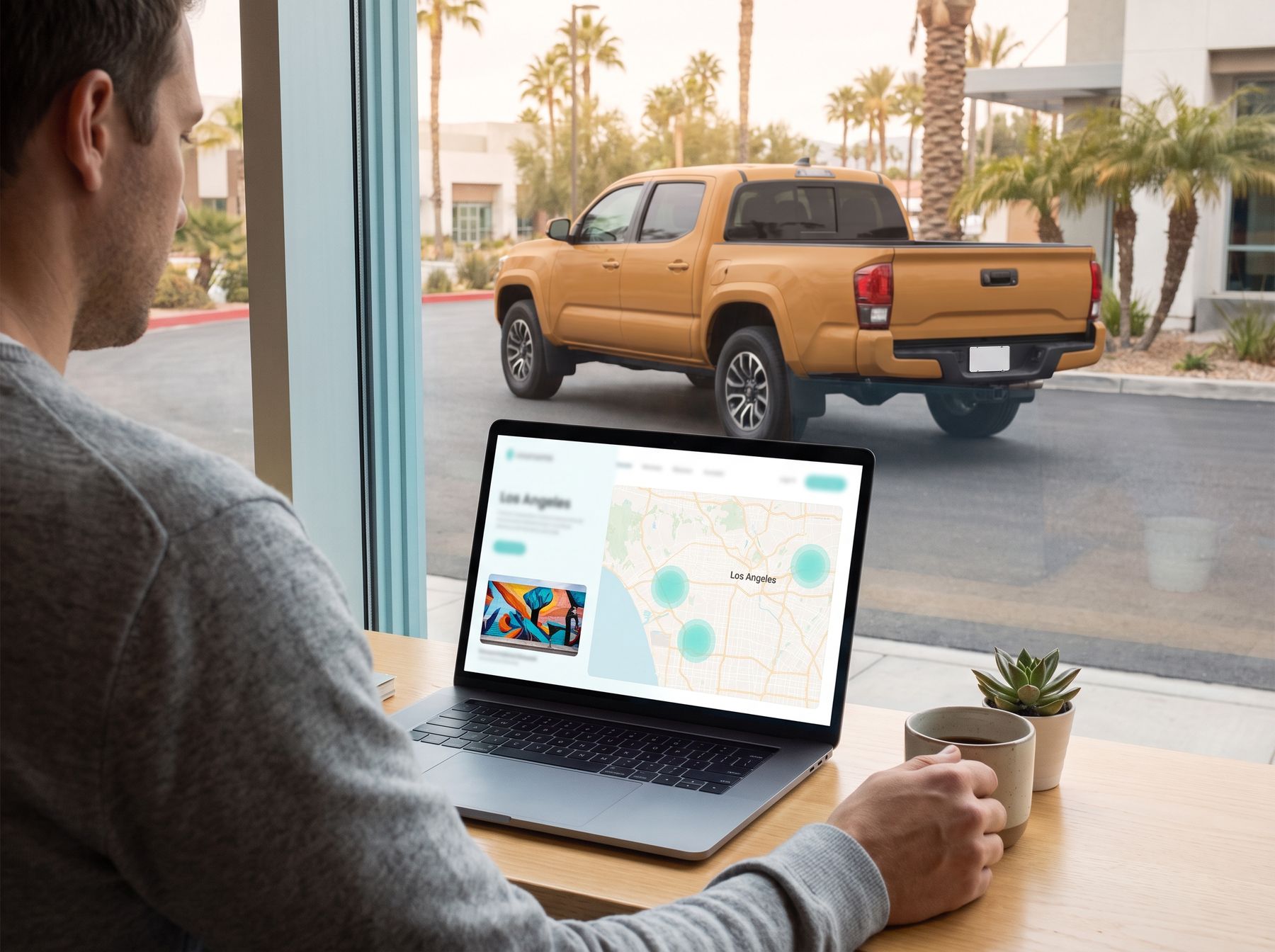
Advertise on other people's trucks

  1. Pick the parts of town and dates. Pay per truck per month, or per 1,000 verified impressions.
  2. Upload your artwork, or make it in the designer, and see it on a truck.
  3. We print the signs and match you with drivers who already drive there.
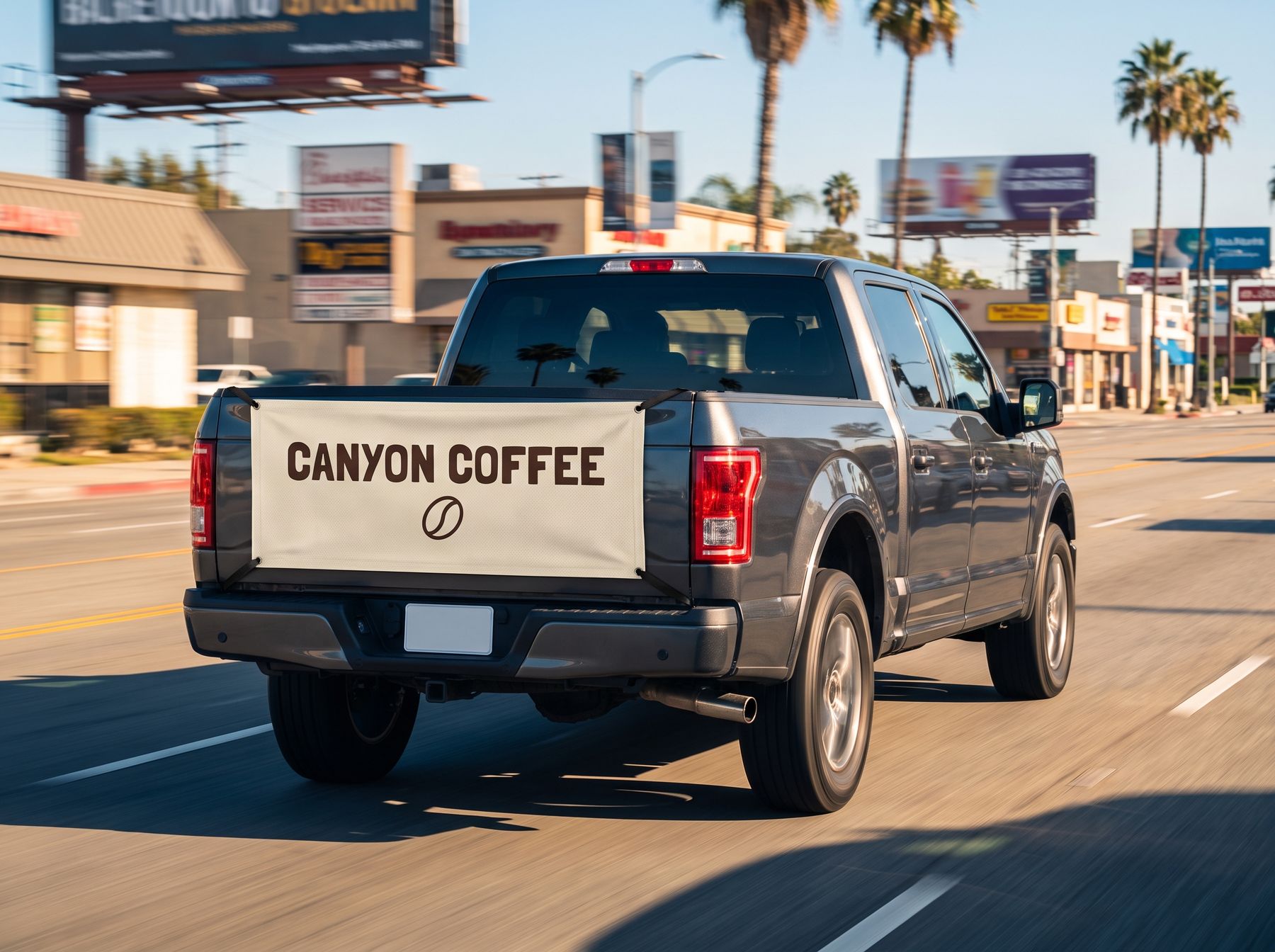
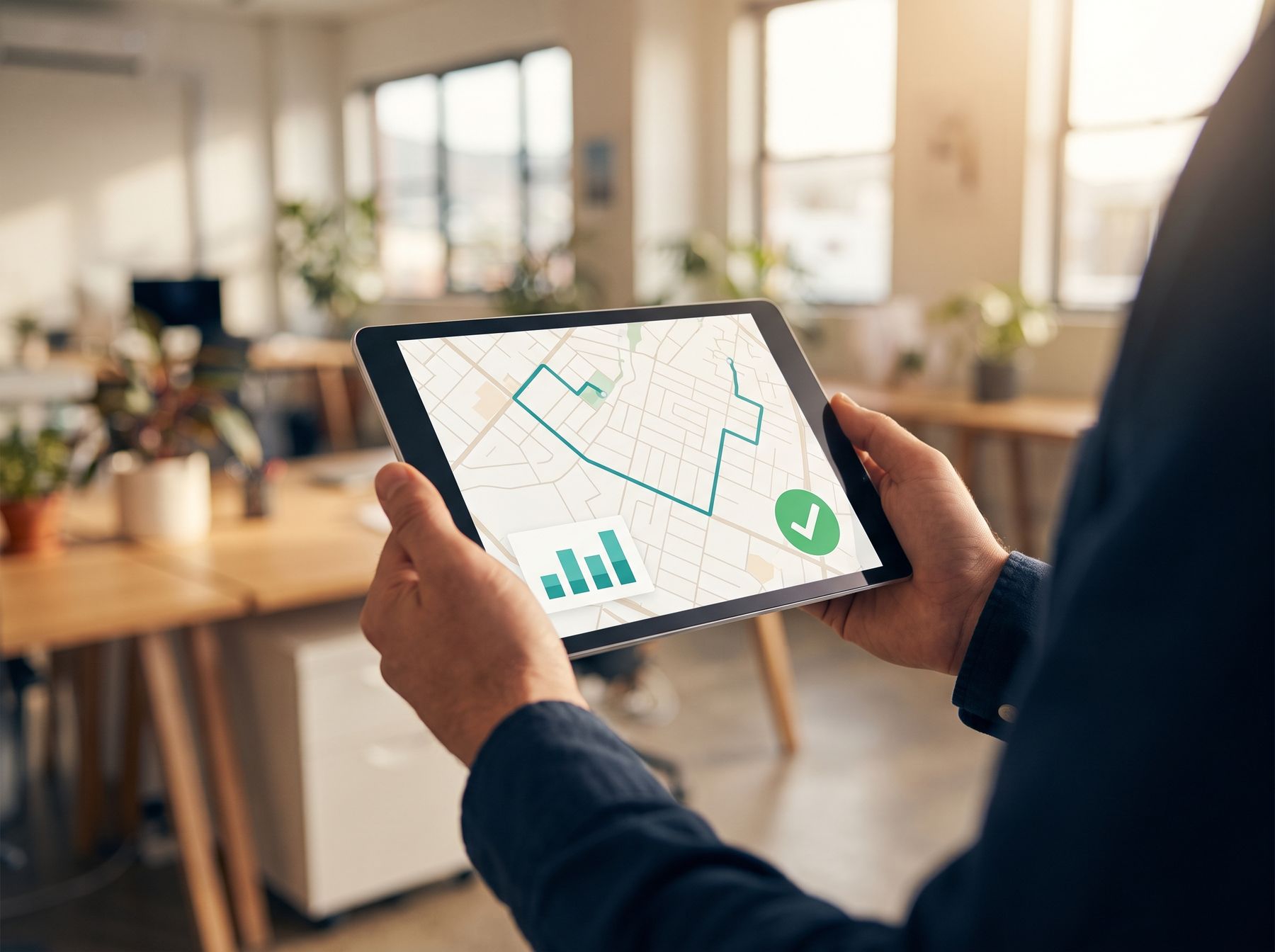
  4. Watch the delivery report fill in: map, hours, impressions, every check.
Plan a campaign
Driver fitting an advertising cover over a pickup tailgate
For drivers

Get paid to carry a sign

  1. Answer a few questions about your truck and where you drive. Two minutes.
  2. If it's a fit, we post you an advertiser's sign and a small tracker, free.
  3. Fit it in minutes: the tracker plugs into the trailer socket.
  4. Drive as normal. We count verified miles and pay every two weeks.
See if you qualify
Custom team sign on a pickup tailgate
For your own truck

Buy a sign outright

  1. Type what it should say: your business, your team, anything.
  2. Pick a look, or upload your own artwork, and see it on a truck.
  3. We print it and ship it. It clips over the tailgate, no tools.
Buy a sign
The bit people ask about

How do you know the sign was really on the road?

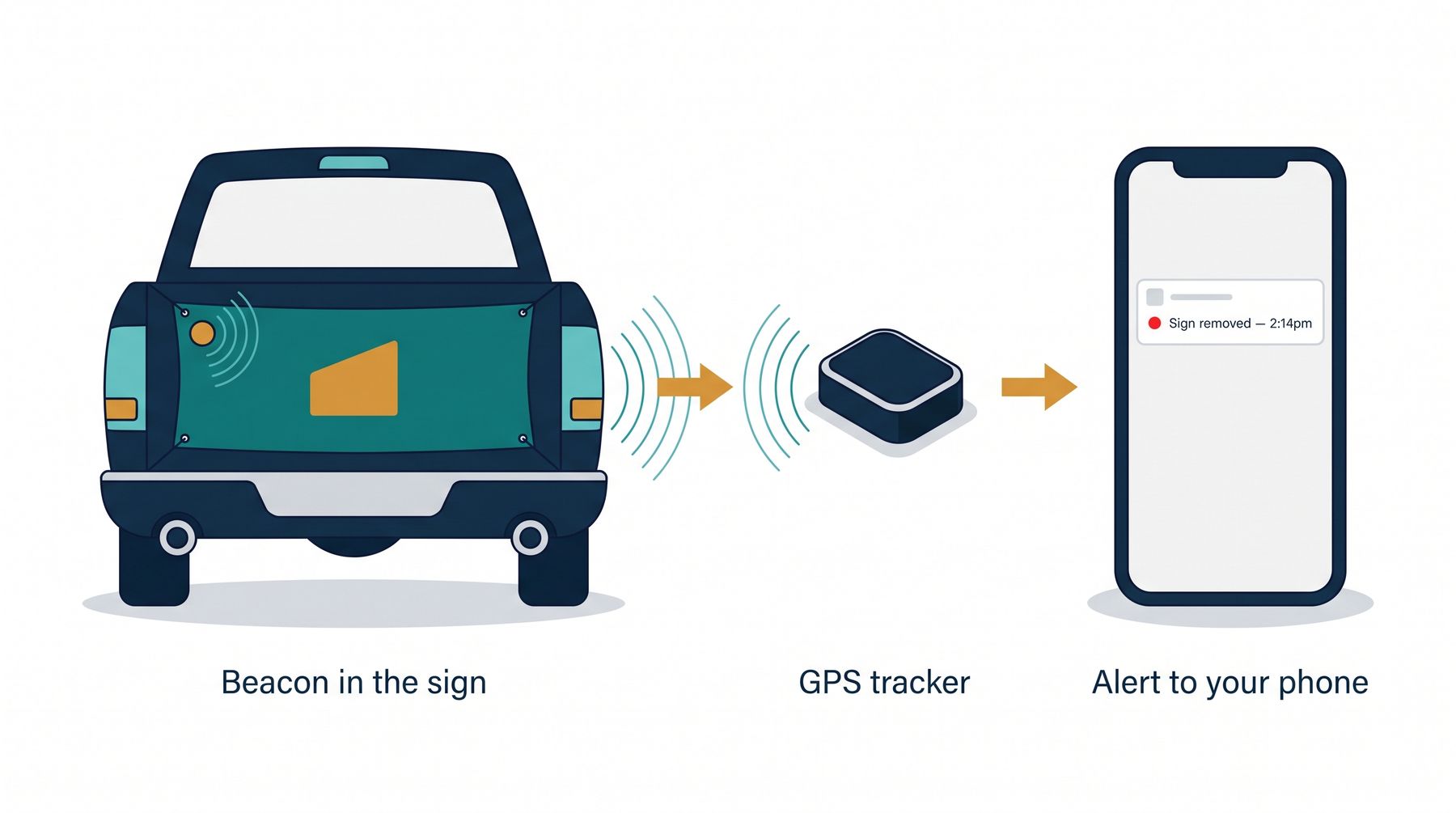
A tracker rides inside the sign's frame and a small Bluetooth beacon is sealed into the sign itself. The tracker hears the beacon every minute. If the sign comes off, the beacon goes quiet and those minutes don't count, for the advertiser or the driver.

  • Position every 60 seconds, matched to a real road map.
  • Sign must be present for a minute to count. The beacon proves it.
  • Power alerts. The tracker has a backup battery and reports if it's unplugged.
  • Impossible routes dropped — teleporting, jumps and implausible speeds.
  • Photo check-ins from drivers show the sign is clean and readable.
Diagram: the tracker in the base mount hears the Bluetooth beacon sealed in the printed sign
Counting impressions

Every number in the report comes from sources you can check.

Traffic volumes come from Caltrans counts, or a published default for the road's class where the state doesn't count. The share of traffic behind the truck, the daylight weighting and people per car are stated assumptions — the same ones on every report, so anyone can redo the sum.

  1. OpenStreetMapTurns the GPS trail into the named roads the truck drove.
  2. Caltrans traffic censusThe official vehicles-per-day count for each road.
  3. Hour-of-day curvePublished traffic shape, so 2pm counts differently from 2am.
  4. Rear-facing shareOnly traffic behind the truck, going the same way.
  5. DaylightSunrise and sunset for the date: a sign is hard to read in the dark.
  6. People per vehicleStandard occupancy, so the unit is people, not cars.
Want the detail?

Every campaign report ends with the method and the inputs used for that campaign.

See pricing